
By Rabbi Josh Wander
Every Jew is familiar with the concept of Yom HaDin, the Day of Judgment. We approach Rosh Hashanah with trembling, recognizing that the Almighty sits in judgment over His creation, determining what the coming year will bring. On Yom Kippur, we intensify our prayers, fasting and pleading for forgiveness and a favorable decree. Even on Hoshana Rabbah, traditionally understood as the final sealing of judgment, we circle the bimah, recite additional supplications, and beseech Hashem to grant us a year of blessing and salvation.
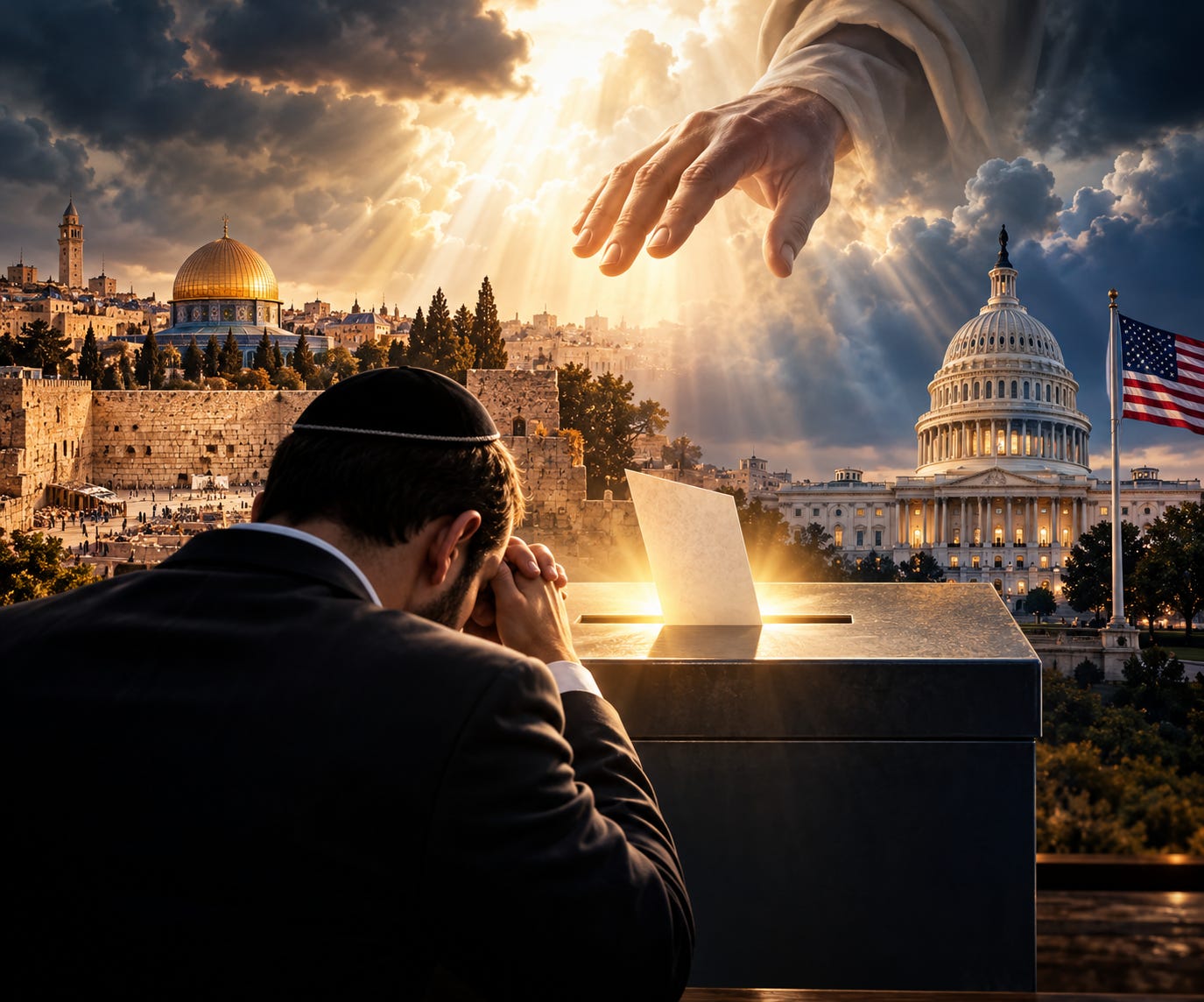
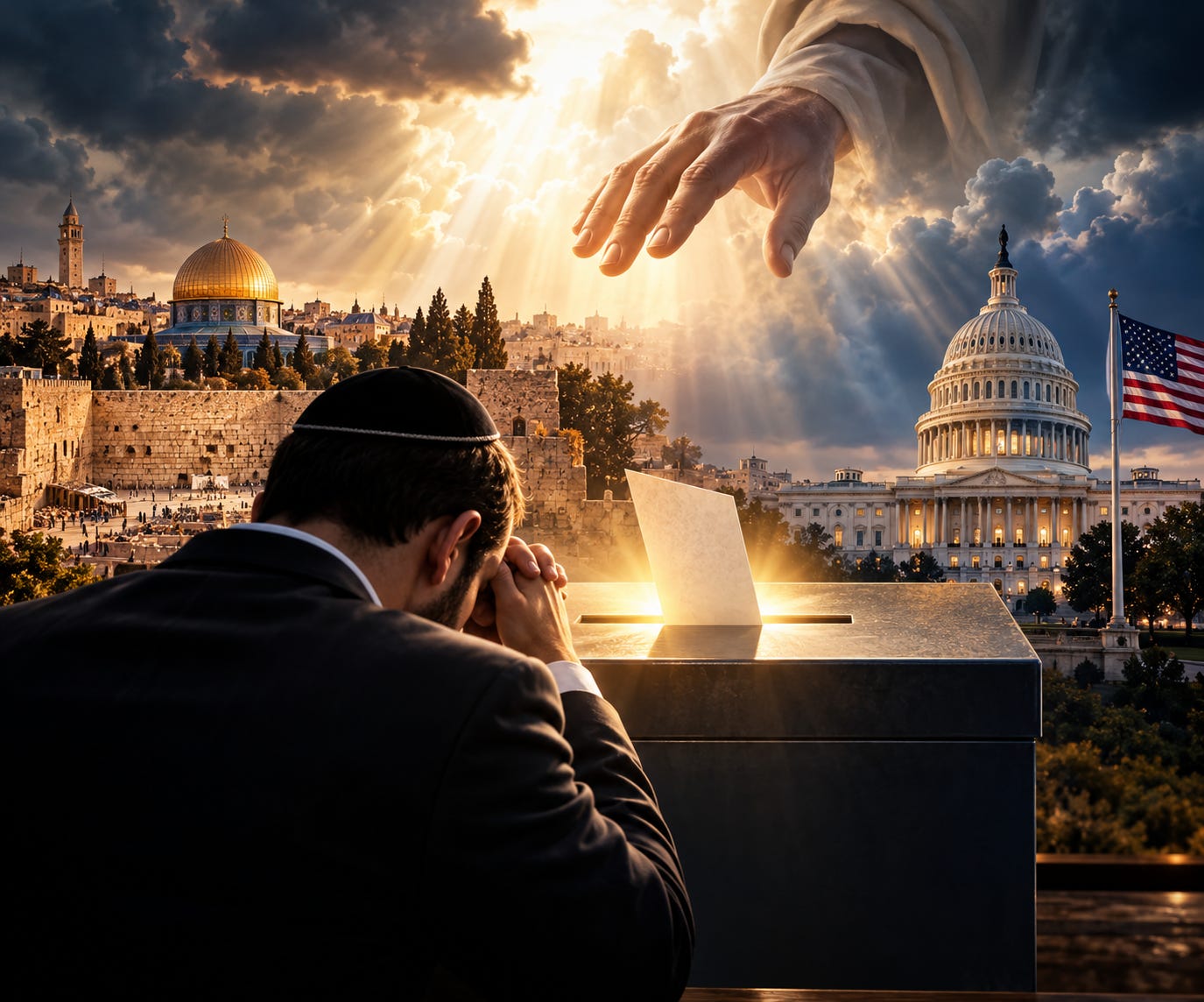
But I would like to suggest that there is another Yom HaDin, one that we rarely recognize as such, and one whose consequences may be felt not merely for the coming year, but for generations. Election Day!
Think about it. On Rosh Hashanah, we acknowledge that Hashem determines the destiny of nations and individuals. Yet when Election Day approaches, how many of us behave as though the future rests entirely in the hands of political parties, campaign strategists, opinion polls, and the voters themselves? We invest enormous amounts of time, money, and emotional energy into political campaigns. We argue with friends and relatives, attend rallies, distribute campaign materials, and passionately advocate for our preferred candidates. We follow every development, scrutinize every poll, and anxiously await the results. But how much time do we invest in davening?
Shlomo HaMelech teaches us in Mishlei (21:1): לב מלך ביד ה׳ על כל אשר יחפץ יטנו — “The heart of a king is in the hand of Hashem; He directs it wherever He wishes.” This is not merely a comforting theological observation. It is a fundamental principle of Jewish faith. Even the most powerful rulers on earth are ultimately instruments within a Divine plan that transcends their own understanding, ambitions, and intentions.
Of course, we are obligated to perform our hishtadlut, our necessary human effort. We must take responsibility for our societies, participate in civic affairs, educate ourselves about the issues, and exercise whatever influence Hashem has placed within our reach. Emunah was never intended to become an excuse for passivity. But hishtadlut without bitachon is dangerously incomplete. We can campaign, organize, persuade, and vote. Yet the ultimate outcome, and certainly the consequences of that outcome, remain in the hands of the Ribbono Shel Olam.
Who among us can truly know which leader will ultimately bring blessing to our people? Who can foresee the unexpected crises, opportunities, wars, diplomatic breakthroughs, or historic transformations that may emerge during a leader’s term? How often has history demonstrated that leaders who entered office with one set of intentions were compelled by circumstances to pursue an entirely different course? We see only a small piece of the picture. Hashem sees the entire tapestry.
As both Israel and the United States approach consequential political decisions, this perspective becomes especially relevant. The choices made in these two countries have implications extending far beyond their borders. They affect the security of the Jewish people, the future of Eretz Yisrael, the relationship between Israel and the Diaspora, and potentially the direction of world history. For those of us who view contemporary Jewish history through the prism of Geula, the stakes are even more profound. We believe that history is not random, that the return of the Jewish people to their ancestral homeland is not merely a political development, and that the unfolding events of our generation are part of a Divine process.
Should we not, then, approach the selection of our national leadership with a sense of awe and responsibility? Imagine if we invested even a fraction of the energy we devote to political arguments into heartfelt tefillah. Imagine if, instead of merely asking which candidate will win, we asked Hashem to guide our nations toward leadership that will bring justice, security, peace, and ultimately advance His purpose in the world. And perhaps our prayers should not simply be that our preferred candidate emerges victorious. Perhaps they should be that Hashem grants us the leadership we truly need, even if it differs from the leadership we think we want. After all, who are we to presume that we know what is ultimately best for us?
There is an important distinction between Election Day and the traditional Yamim Noraim. Rosh Hashanah and Yom Kippur are Divinely established days of judgment, with their own halachot, liturgy, and spiritual obligations. Election Day carries no comparable formal religious status. Yet in its practical consequences for the lives of millions, it should awaken within us a similar consciousness of our dependence upon Divine judgment.
Perhaps that is precisely what is missing from so much of our political discourse. We speak endlessly about what politicians can do for us, but far too little about what Hashem expects of us. We place our hopes in human leaders, only to become disillusioned when they fail to fulfill our expectations. Our prophets repeatedly warned against confusing human power with Divine salvation. Political leadership is necessary, but no politician, party, government, or military can substitute for our relationship with the Almighty.
The Mishnah in Sotah (9:15) concludes its description of the spiritual challenges preceding the coming of Mashiach with the words: אין לנו על מי להישען אלא על אבינו שבשמים — “We have no one upon whom to rely except our Father in Heaven.” These words are not a call to abandon responsibility. They are a reminder of where our ultimate confidence must lie.
So when Election Day arrives, by all means, participate. Vote according to your conscience. Advocate for what you believe is right. Fulfill your hishtadlut with seriousness and conviction. But do not forget to daven. Daven before the election. Daven as the results become known. And perhaps most importantly, daven afterward, regardless of who wins. Because securing the right leadership is only the beginning. What that leadership ultimately does, and how its decisions shape the destiny of our people, is an ongoing matter of Divine Providence.
We spend the Yamim Noraim asking Hashem to inscribe us in the Book of Life. Perhaps we should approach Election Day with a similar sense of humility, asking Him to guide the leaders and nations whose decisions will shape our collective future. The ballot is in our hands, but the hearts of kings remain in the hands of Hashem. And when the future of Am Yisrael hangs in the balance, there is no campaign more important than our tefillot.