
By Rabbi Josh Wander
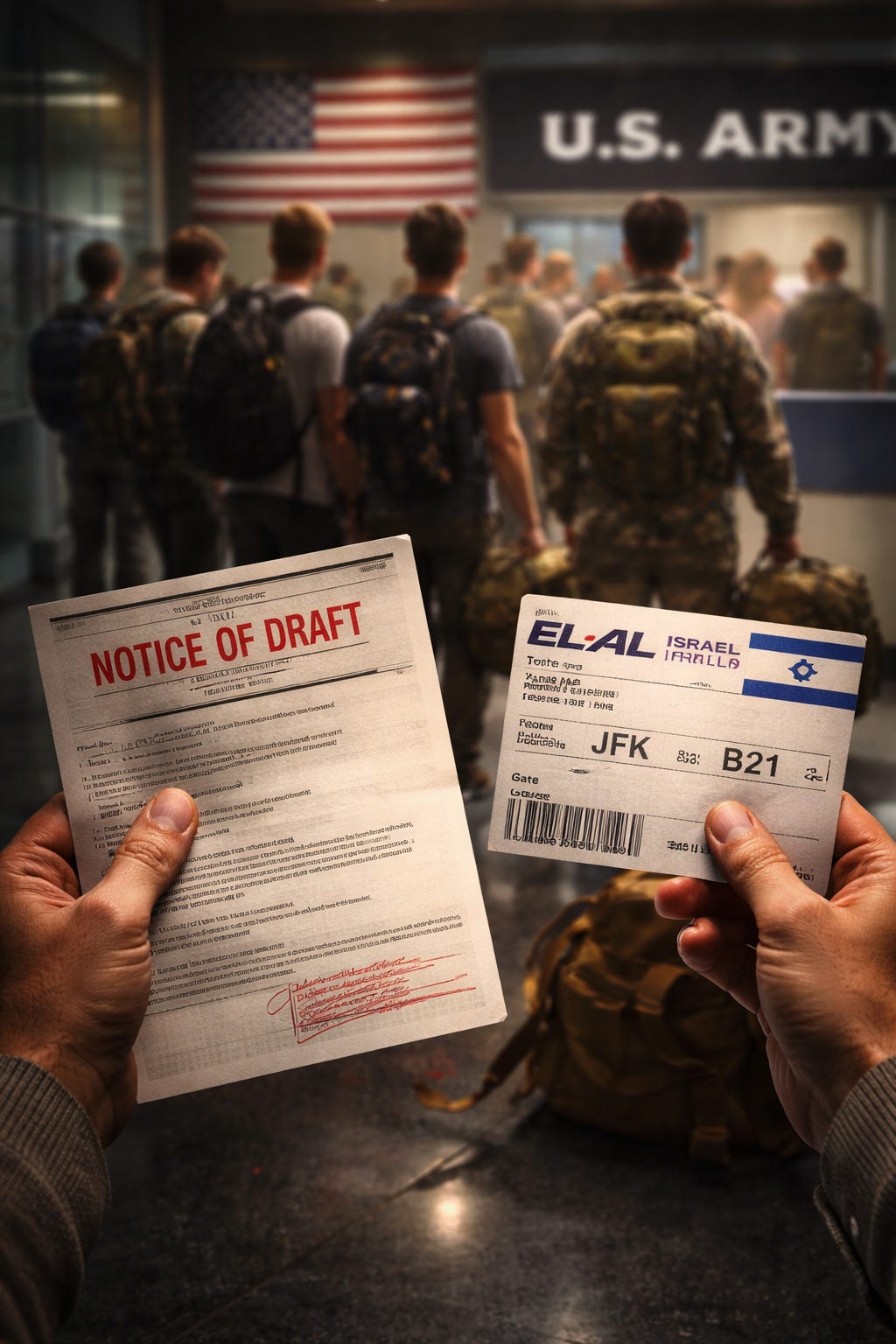
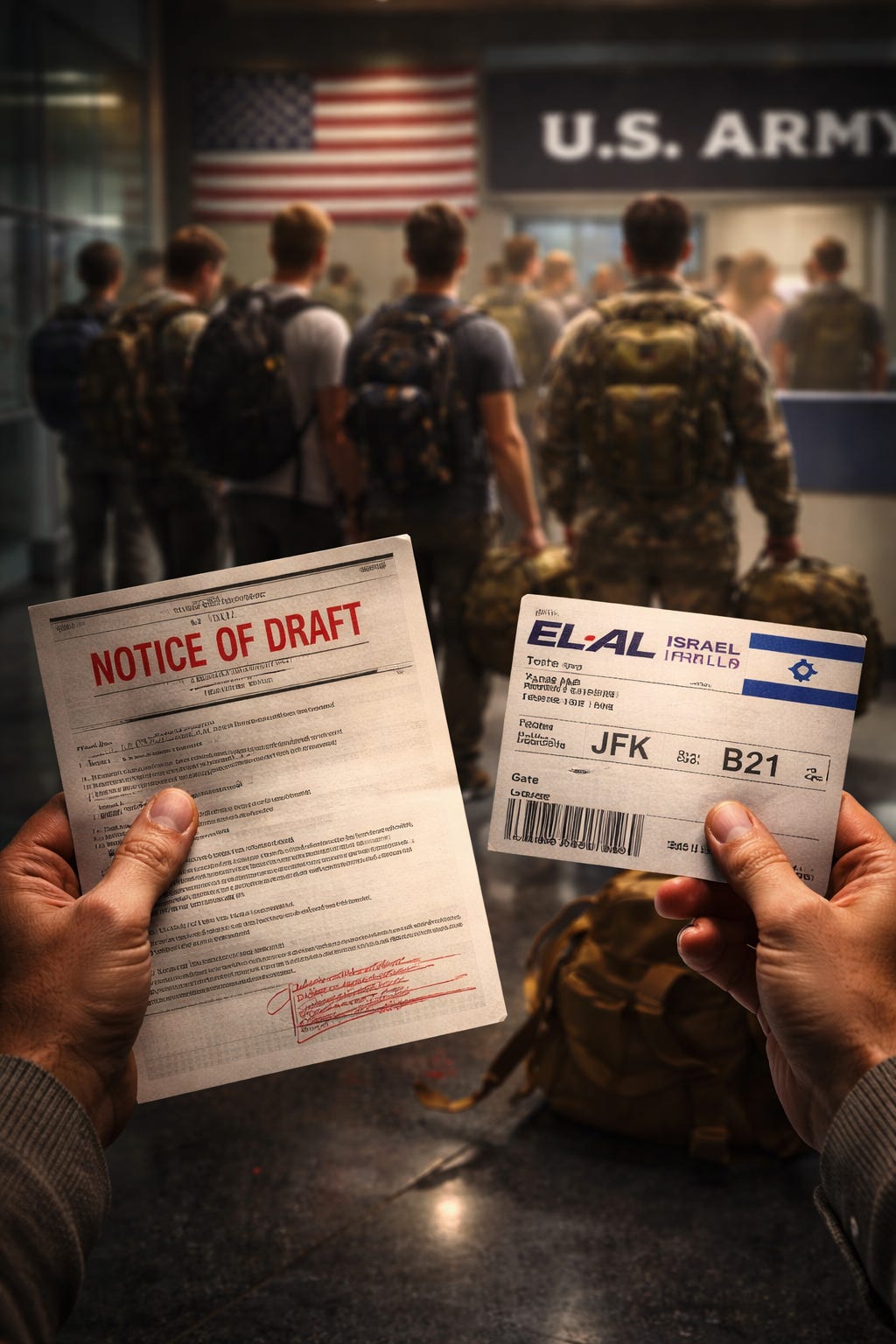
For decades, the idea of an American draft has felt like a relic—something confined to black-and-white footage of Vietnam protests or the heroic narratives of World War II. It belonged to another America, another generation. But that illusion is beginning to crack. Quietly, almost imperceptibly at first, and now with growing urgency, the conversation is returning. Not as a theoretical exercise, but as a looming possibility.
Look at the reality unfolding. The United States military has only recently clawed its way out of one of the worst recruitment crises in half a century. Yes, targets were met in 2025—but that headline masks a deeper problem. The pool of eligible recruits is shrinking. Physical fitness standards, mental health concerns, and a cultural shift away from military service have created a structural deficit that no short-term recruiting surge can fix. The numbers may look better on paper, but the foundation is unstable.
And so the military is already adapting. Quietly, but significantly. The maximum enlistment age has been raised—now stretching as high as 42 in some branches. Think about what that means. Not just fresh-faced 18-year-olds, but men well into their 30s and even early 40s are now being pulled into the potential manpower pool. At the same time, standards that would have once been automatic disqualifiers are being reconsidered. Even past drug use—something that historically shut the door on military service—is no longer the hard barrier it once was. When a military begins widening both age and eligibility like this, it’s not a sign of strength. It’s a sign of need.
Now layer onto that the global stage. Tensions with Iran continue to simmer, threatening to boil over into direct confrontation. In the Pacific, the East China Sea remains a flashpoint with the potential to ignite into a broader conflict. And in Europe, the ongoing Russia–Ukraine war continues to grind on, drawing in resources, attention, and alliances in ways that ripple far beyond its borders. These are not isolated issues. They are interconnected fronts in what increasingly resembles a slow-moving global escalation. Call it what you want—regional instability, great power competition, or something more ominous—the direction is clear. If multiple fronts ignite simultaneously, the United States will not just need soldiers. It will need a lot of them.
And that is where reality collides with policy. When voluntary enlistment cannot meet demand, there is only one lever left to pull. A draft.
What was once unthinkable is now being discussed in serious circles. Not loudly, not officially—but unmistakably. Even more striking are the conversations around expanding eligibility. For generations, the Selective Service system has applied only to men. Now, there are increasing voices suggesting that women could be included as well. To many Americans, this sounds radical, even absurd. But so did the idea of a draft returning at all. History has a way of normalizing what once seemed impossible.
For American Jews, this moment demands a level of honesty that has long been avoided. For years, one of the most common hesitations about making Aliyah was the fear of children serving in the IDF. Parents worried about sending their sons—and increasingly daughters—into a life of military obligation in a region defined by conflict. It was a powerful deterrent, often unspoken but deeply felt. But now that calculation is shifting.
We are approaching a crossroads where the question is no longer whether your children will serve, but where—and for what purpose. Will they be drafted into the army of a country thousands of miles away, fighting in wars that may have little to do with Jewish destiny? Or will they stand with their own people, in their own land, as part of the unfolding story of Jewish history ?This is not a theoretical dilemma anymore. It is becoming a practical one.
There is a certain irony—almost painful in its clarity. For generations, Jews in the diaspora have lived with the comfort of choice, believing that they could opt out of the harsher realities of Jewish history. War was something that happened elsewhere. Defense was someone else’s responsibility. Even when supporting Israel, it was often from a distance—through donations, advocacy, or prayer, but not through personal sacrifice.
That illusion is beginning to fade. A draft does not ask for your opinion. It does not negotiate with your comfort. It does not care about the life you have built or the plans you have made. It simply arrives, and with it, a demand.
Are you ready for that moment? Because it may come faster than anyone expects. The question is no longer whether history will call. It is whether you will be prepared when it does.
Don’t say you haven’t been warned.