
By Rabbi Josh Wander
We are standing on the edge of something enormous. You can feel it if you let yourself. The alliances hardening. The rhetoric escalating. The markets twitching like a nervous system under stress. One miscalculation between powers and the world tilts.
And yet… people are ordering lattes.
Not long ago, when a virus made its global debut, entire societies lost their composure. Shelves were stripped bare. Bottled water vanished. Toilet paper became currency. There was dread in the air. You could taste it. That was a threat you could see on a screen, count in daily statistics, argue about at dinner.
Now the stakes are exponentially higher. We are talking about superpowers, nuclear arsenals, cascading economies, regional wars that look less and less regional. And the reaction? A shrug.
Psychologists call this normalcy bias. The human brain is a conservative organ. It assumes tomorrow will look roughly like yesterday because that assumption has evolutionary value. Panic constantly and you waste energy. But here’s the catch: when the threat becomes too large, too abstract, too overwhelming, the brain doesn’t rise to the occasion. It shuts the blinds. It says, “This is above my pay grade.” And it goes back to scrolling.
The strange thing is that this indifference is not confidence. It’s saturation. The situation has exceeded our emotional bandwidth. So we blank it out.
For the Jewish people, though, there is another layer. Beneath the psychological coping mechanism lies something deeper and older. A reflex written into our collective memory.
We have seen empires rise before. We have heard the drumbeats. We have watched the horizon darken. Persia, Rome, Spain, Germany. History is not an abstraction for us; it is a family album. And yet we are still here.
There is a line from the Haggadah that we repeat almost casually: שבכל דור ודור עומדים עלינו לכלותנו והקדוש ברוך הוא מצילנו מידם. In every generation they rise against us to destroy us, and the Holy One saves us from their hand. It is not poetry. It is pattern recognition.
So perhaps what looks like apathy is, at least in part, emunah. A quiet recalibration. As the geopolitical picture grows more unstable, many Jews instinctively lean not into panic, but into faith. The louder the nations roar, the more we whisper Tehillim. The more uncertain the world order becomes, the more certain we become of one thing: אין על מי להישען אלא אבינו שבשמים.
There is no one to rely upon except our Father in Heaven.
That sentence is not escapism. It is the end of illusions. It is what happens when every other support beam proves unreliable. Economies wobble. Armies falter. Alliances shift. The scaffolding of human power creaks under its own weight. Eventually, you realize it was never load-bearing to begin with.
Before Moshiach, our tradition teaches, the confusion intensifies. The systems people trusted lose coherence. Certainties dissolve. And in that fog, something clarifies. Not geopolitics. Not policy. Dependence.
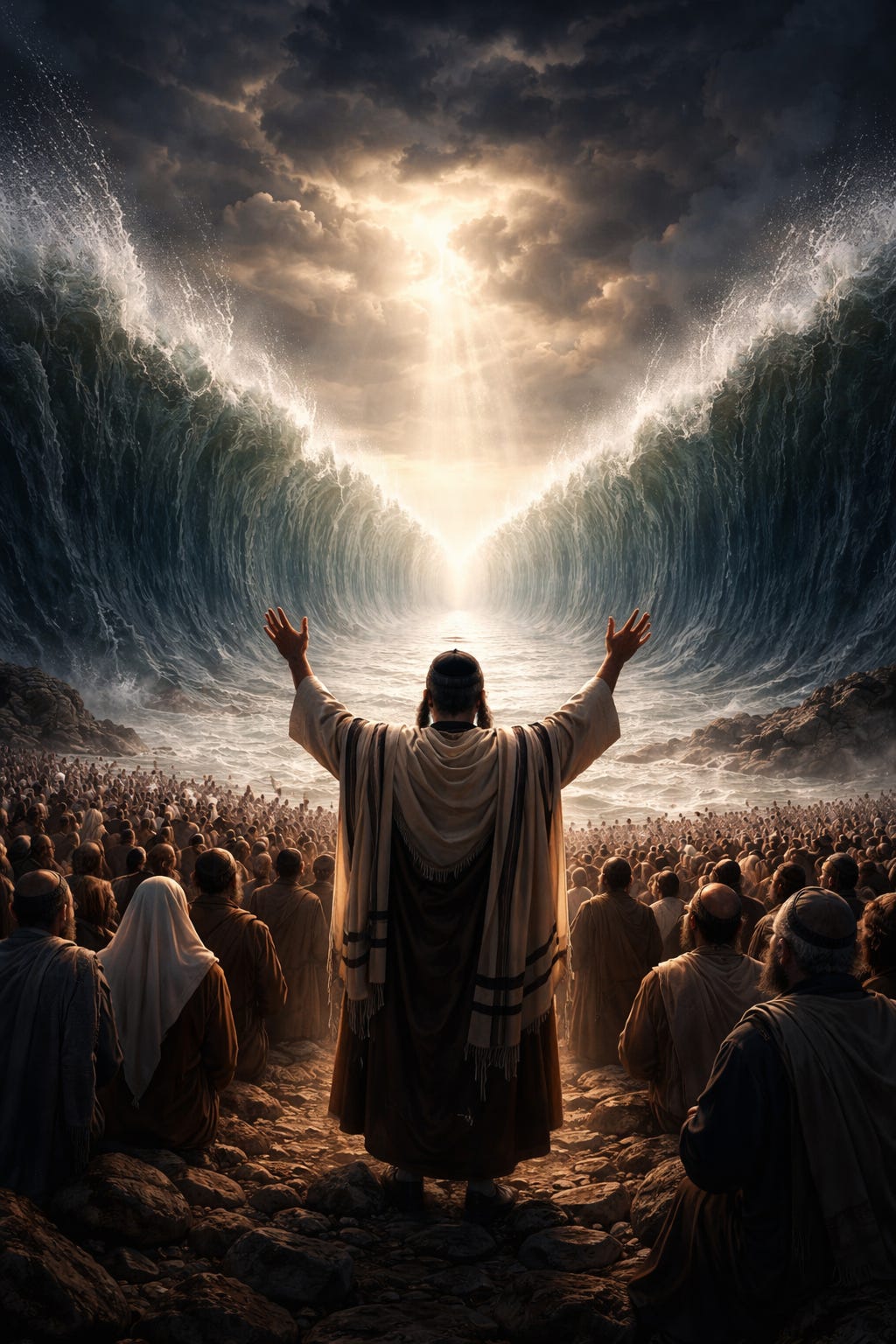
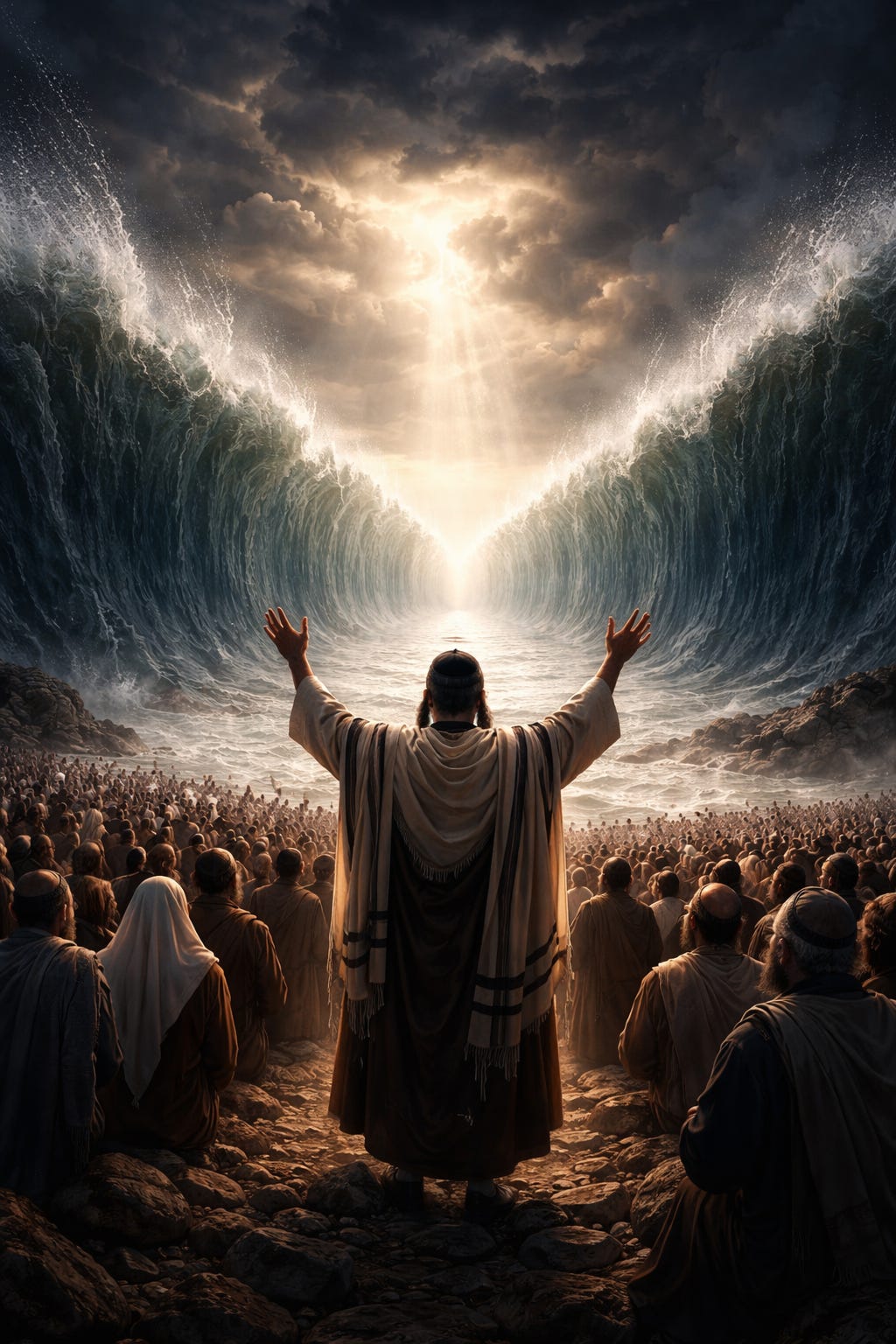
At the edge of the sea, with Egypt closing in, the nation panicked. They had nowhere to run. No diplomatic maneuver. No military strategy. Just water in front of them and chariots behind them. And Moshe stood there and said words that must have sounded almost absurd in the moment:
“אַל תִּירָאוּ הִתְיַצְּבוּ וּרְאוּ אֶת יְשׁוּעַת ה׳ אֲשֶׁר יַעֲשֶׂה לָכֶם הַיּוֹם… Do not fear. Stand firm and see the salvation of Hashem that He will perform for you today. For as you have seen Egypt today, you will never see them again.”
Stand still and see.Not strategize. Not stockpile toilet paper. Not doom-scroll. Stand.
The irony of this moment is that we may be on the verge of events that will reshape the world, and our senses are dulled. The miracles forming beneath the surface are too large for our imagination. So we default to routine. School drop-offs. Business meetings. Grocery runs.
History has a way of flipping in an instant. ונהפוך הוא. One day you are calculating the odds; the next day you are telling your grandchildren how it all turned.
The calm feels unnatural because it is not peace. It is compression. The stillness before tectonic plates shift. And maybe, just maybe, it is also mercy. A final stretch of normalcy before the curtain rises on a new chapter.
If we are indeed approaching a moment when the world’s illusions collapse, then this quiet reliance is not madness. It is preparation. When there is nothing left to lean on, you finally lean correctly.
Empires think they write the script. They never do. The sea still splits when it needs to.