
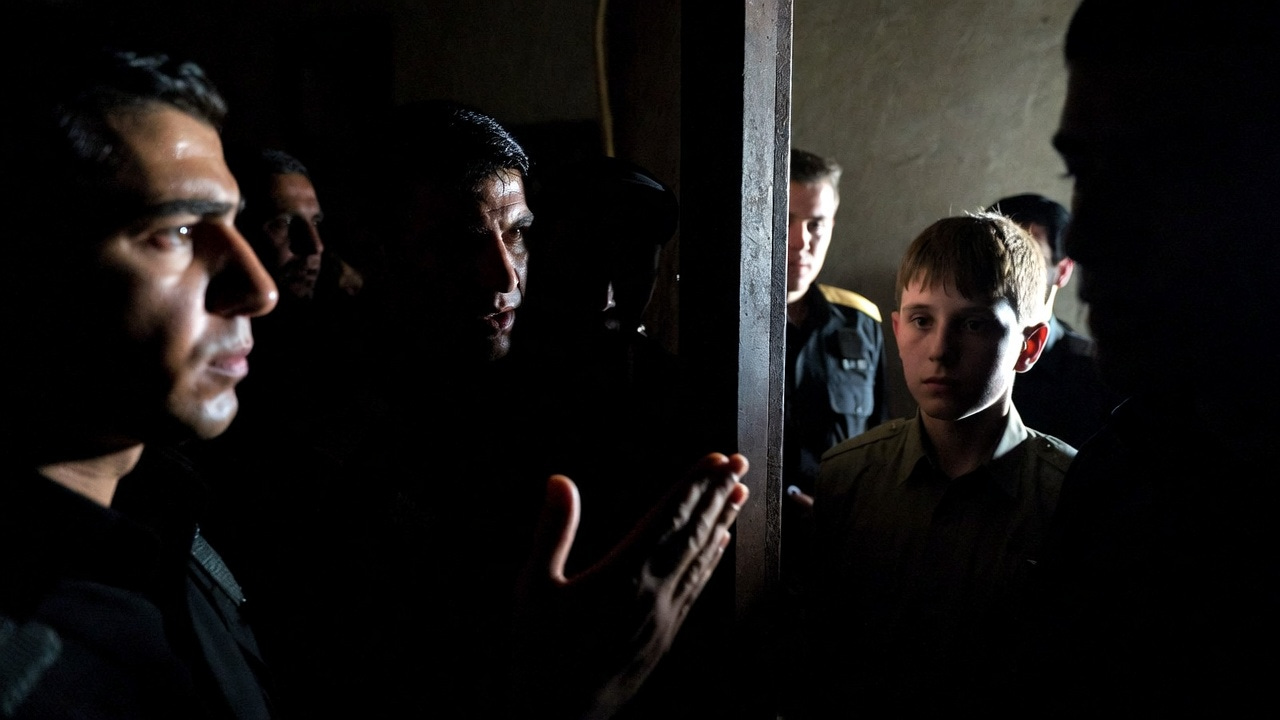
The Austin bar shooting at Buford’s Backyard Beer Garden early Sunday morning was not just another tragic headline. It was the unmistakable first strike in what experts now warn could be Iran’s retaliation wave hitting American soil. A 53-year-old naturalized US citizen from Senegal, Ndiaga Diagne, opened fire with pistol and rifle, killing two patrons and wounding 14 others before Austin police dropped him in roughly 57 seconds. Officers were already staged in the entertainment district due to heightened alerts after joint US-Israel strikes obliterated Iran’s Supreme Leader Ali Khamenei and key nuclear sites. Diagne wore a hoodie stamped with “Property of Allah” and an undershirt bearing an Iranian flag design. Authorities discovered photos of Iranian leaders at his home. The FBI’s Joint Terrorism Task Force is investigating potential terrorism ties, with early signs pointing to inspiration or activation tied to Iran’s desperate counterpunch.
Some may dismiss Diagne as a lone whack job acting on personal demons. Do not. As confirmed by Joshua Wander, who served for decades in IDF counterterror frameworks, what professionals look for in moments like this is not the headline but the pattern. Terror networks rarely begin with their most valuable assets. They test. They measure response times. They assess media cycles. They watch whether political pressure dampens enforcement. A so-called “lone actor” who signals ideological alignment may be exactly that or he may be functioning as a disposable node in a much broader architecture. The point is not to jump to conclusions. The point is to understand that serious organizations think in layers, redundancy, and patience. Underestimating that methodology is how nations get blindsided.
In Israel we learned, often the hard way, that deterrence and readiness must coexist. Intelligence is only useful if paired with civic awareness and decisive action. Counterterrorism is not hysteria. It is disciplined vigilance. It means distinguishing between protected civil liberties and willful blindness. It means empowering law enforcement to act on credible intelligence without waiting for catastrophe. Most importantly, it means recognizing that asymmetric warfare thrives in complacency. The moment a society convinces itself “this cannot happen here” is the moment adversaries quietly begin proving that it can.
For Americans who have been waiting for concrete proof that the danger is real, that was it. Hezbollah sleeper cells, documented for years in US court records and intelligence assessments, keep operatives embedded in communities, running surveillance, and maintaining ready caches. Former FBI Assistant Director Chris Swecker put it bluntly: if Hezbollah or Hamas cells ever go kinetic on US soil, the moment is now, in the wake of America’s and Israel’s decisive blows against Tehran.
The Immediate Threat Landscape
Hezbollah’s Unit 910 has conducted scouting missions across the United States. Convicted operative Ali Kourani confessed to casing New York landmarks for Tehran-ordered suicide attacks. A George Washington University Program on Extremism study tallied 142 prosecuted individuals tied to Hezbollah networks in the US since 2000, with 13 percent involved in operational roles beyond mere fundraising. Activity clusters persist in Michigan with 55 cases centered around Dearborn and Detroit Shia communities, California with 19 cases often in Los Angeles and San Diego, New York with 15 cases focused on scouting in the city and Brooklyn, and North Carolina with 16 cases tied to Charlotte smuggling rings that funneled millions to Hezbollah while members lived ordinary lives. These networks do not announce themselves. They blend in.
The FBI has thwarted 17 Iranian-linked plots in the United States since 2020 alone. Many involved recruiting local surrogates or inspiring homegrown individuals to act first, providing deniability and allowing Tehran to measure fallout before committing core assets. For two decades U.S. military and intelligence briefings have mapped these Hezbollah support networks and known operatives in Dearborn, Charlotte, New York, Los Angeles, and beyond. Yet political resistance has repeatedly blocked aggressive disruption efforts. The result is reactive scrambling after incidents like Austin rather than the root-out operations that could prevent them. Intelligence exists. The cells are known. Act on the briefings now, before another probe turns deadly.
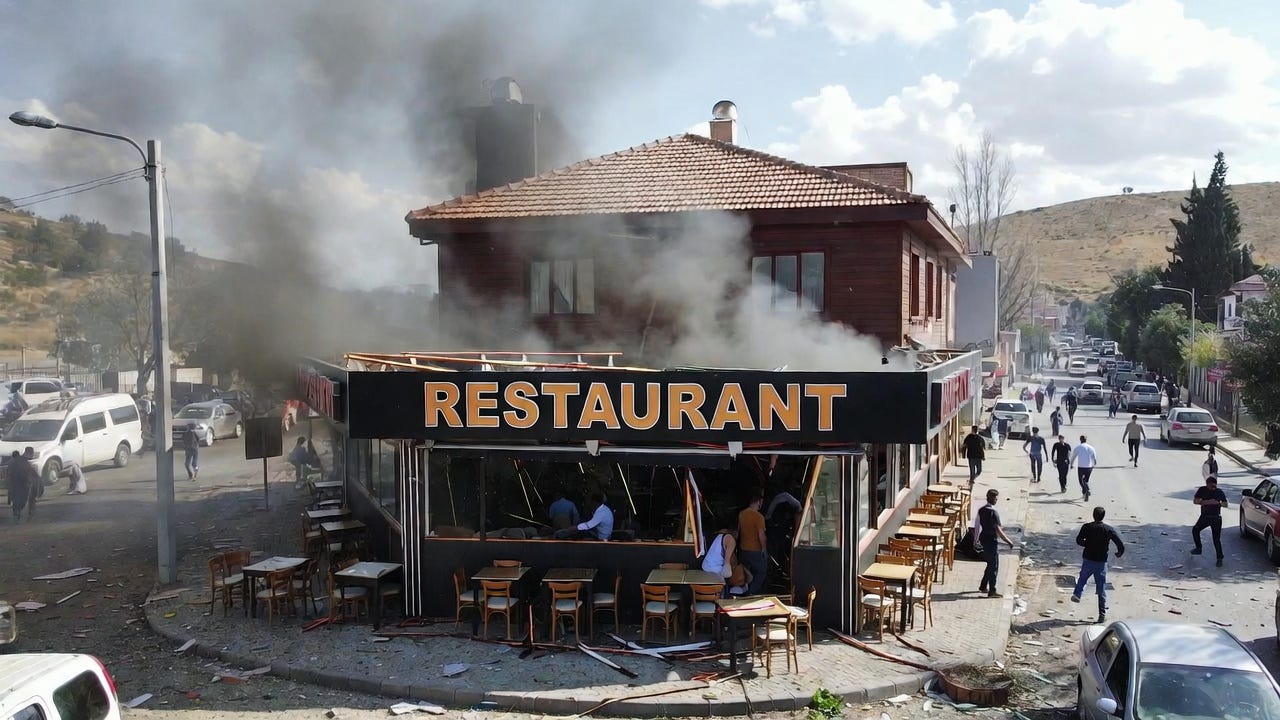
America’s Soft Targets Demand Immediate Hardening
Unlike Israel, where off-duty soldiers or reservists routinely carry rifles and stand ready to engage threats within a minute or two even in civilian areas, the United States lacks that built-in rapid-response layer in most public spaces. That gap leaves soft targets truly vulnerable. Back in Israel the culture of armed readiness has repeatedly turned potential massacres into limited incidents. Here, the same threats arrive without that immediate counterforce. Act yesterday. The next backyard drill that escalates will not pause for public awareness to catch up.
US Jewish Communities in the Crosshairs
Jewish Americans in urban centers remain prime targets as perceived extensions of Israel in Tehran’s worldview. Synagogues, community centers, and neighborhoods endure documented surveillance by proxy networks. Many stay focused on daily routines, unaware of the quiet reconnaissance and stockpiling happening nearby. The Austin incident demonstrates how swiftly normalcy collapses in a lively public venue. Jewish communities must recognize these shadows as direct signals to raise alertness and preparation.
Practical Guide: Prepare Like the Next Hit Is Your Spot
In America’s Second Amendment framework personal readiness fills the gap. Dust off your firearm today. Service it fully: clean the barrel, inspect and replace worn springs, lubricate moving parts, and function-test with carry ammunition at the range. Train relentlessly: practice concealed draws under time pressure, master failure-to-fire drills, and simulate low-light or crowded scenarios. Carry legally where permitted. Constitutional carry in states like Texas equips responsible citizens to serve as the first line of response.
Assume every restaurant, bar, or gathering place could be targeted next. Enter and scan for exits and threats. Position yourself facing the entrance with your back to a wall when possible. Mentally rehearse: shots from the door means bolt to the kitchen or side exit; no clear path means overturn tables for cover and move low. If unable to carry due to restrictions, laws, or venue rules, know your escape plan cold 24/7. Map primary doors, secondary fire exits or windows, and barricade points on arrival. Keep your phone charged with the exact address saved for precise 911 calls. Consider threat-alert apps for instant notifications.
Stock a compact go-bag with water, basic first aid, flashlight, multi-tool, and spare magazines if armed. Conduct family drills monthly. Teach everyone to drop, cover, and evacuate quickly. In active violence prioritize run-hide-fight: escape first, barricade second, improvise weapons such as chairs, bottles, or fire extinguishers only if cornered and fight with full commitment. The swift Austin police response, enabled by pre-positioning, saved lives. Civilians can close the same gap through preparation, stepping into the role off-duty Israeli soldiers fulfill daily.
Intelligence shows these networks in states including Michigan, California, New York, and North Carolina where operatives live as everyday neighbors, running businesses, attending community events, and potentially radicalizing locals over lunch or casual conversation. The person at the next table last week could belong to such a network. This reality makes personal vigilance non-negotiable.
Edgy reality check: Hezbollah shows no hesitation. They have bombed Jewish targets abroad and plotted inside the United States for decades, relying on American delay. Deny them easy wins. Report suspicious activity to the FBI tip line without delay. Faith demands both prayer and preparation. Employ the tools God provides for the stewardship of life.
Turning Peril into Purpose
The Austin event shifts the conversation from warnings to active reality. Iran’s proxies weaken under sustained pressure, yet desperation fuels bolder strikes. Neutralizing these networks requires public vigilance, intelligence sharing, and unflinching defense. United with Israel against mutual enemies, America transforms threats into opportunities for greater strength.
As Purim dawns tonight, commemorating deliverance from Haman’s genocidal plot in ancient Persia, remember the enemy wore the same face: Iran. The regime that once sought to annihilate the Jews in a single day now seeds sleeper cells and inspires probes like Austin on American streets. This holiday reminds us that hidden threats can turn deadly overnight, but faithful vigilance and decisive action turn peril into victory.
That “something” so many awaited arrived in blood on Sixth Street. Do not wait for the sequel. Arm up, plan out, stand vigilant. Dismiss nothing. Act now. Biblical faithfulness requires decisive response amid gathering shadows, driving us toward geula through courage, alliance, and unyielding resolve.
Joshua Wander is an American-born Israeli rabbi, security and intelligence analyst, IDF veteran, and founder of Bring Them Home. With a Master’s in Security and Intelligence Studies from the University of Pittsburgh and decades of IDF service—including combat deployments and reserve command roles—he specializes in counterterrorism, emergency management, and risk assessment. Wander has served as a ZAKA spokesman and international responder, advised public officials on preparedness, and appeared as a security expert on National Geographic’s Doomsday Preppers. He resides with his wife and six children on the Mount of Olives in Jerusalem. You can follow Joshua at https://geulamovement.substack.com